Why Elm Trees Matter in Moncton
Elm trees have shaped the streetscapes and neighbourhoods of Moncton for generations. Their graceful branching structure and dense canopy make them iconic features of mature properties, parks, and public spaces across the city. Many of the largest elms in the region are now 60, 80, or even 100 years old, having survived ice storms, windstorms, and decades of urban growth.
However, these beloved trees now face serious threats. Dutch elm disease has reached New Brunswick, and other pests and diseases pose real risks to elm health. Understanding what to watch for and when to call a professional arborist is essential if you own an elm or live near one. Early detection and proper care can mean the difference between a thriving tree and one that must be removed.
Dutch Elm Disease in New Brunswick: What You Need to Know
Dutch elm disease (DED) is a fungal infection spread primarily by elm bark beetles. The disease has been confirmed in New Brunswick and poses a significant threat to all elm species in the province. Once a tree is infected, the fungus spreads through the tree's vascular system, blocking water and nutrient flow. This causes wilting, branch dieback, and eventually death, often within one to three years of infection.
The first signs of Dutch elm disease include yellowing leaves on one or more branches, followed by wilting and browning. You may also notice a distinctive pattern of discoloured wood under the bark if you examine a cross-section of an affected twig. Beetles enter the tree through small cracks and wounds, so trees that are stressed, damaged, or weakened by other conditions are more vulnerable to infection. If you suspect your elm has DED, contact Hub City Tree Trimming at (506) 805-0418 right away. Early intervention, including removal of infected branches or the entire tree, is critical to prevent spread to nearby elms.
Spotting Common Elm Tree Problems: Wilting, Cankers, and Pest Damage
Beyond Dutch elm disease, elm trees in Moncton can suffer from several other serious conditions. A wilting branch on an elm tree is always a red flag and should not be ignored. Wilting may indicate disease, pest damage, root stress, or a broken water-conducting vessel inside the branch. If you notice a single branch or section of the canopy wilting while the rest of the tree appears healthy, prune that branch immediately and monitor the tree closely over the following weeks.
Cankers, which are sunken or cracked areas on the trunk or branches, can weaken structural integrity and allow disease to enter. Elm bark beetles, which are vectors for Dutch elm disease, leave small exit holes and galleries under the bark. Elm leaf beetles cause skeletonized foliage (leaves eaten between the veins) and can defoliate a tree over successive seasons. Proper tree pruning and regular inspection help catch these problems early, before they become life-threatening to the tree.
When to Prune Elm Trees: Timing and Best Practices
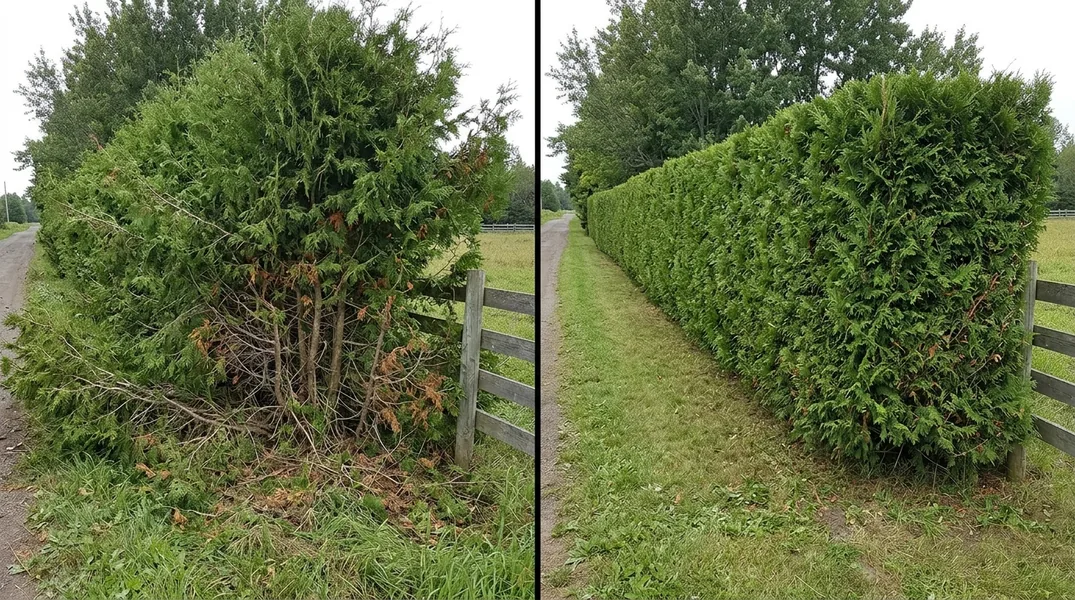
Elm pruning timing is crucial and directly affects the tree's health and susceptibility to disease. The best time to prune elms in Moncton is late autumn through early spring, when the tree is dormant and bark beetles are least active. Pruning during the growing season (spring and summer) creates fresh wounds that attract beetles and expose the tree to infection risk. Never prune an elm between April and September unless you are removing a dead or diseased branch that poses an immediate hazard.
When you do prune, follow proper arboricultural standards: make clean cuts just outside the branch collar, remove no more than 25 per cent of the living canopy in a single year, and always disinfect your tools between cuts with a 10 per cent bleach solution or rubbing alcohol. This prevents cross-contamination if you are working on multiple trees. Hire a certified arborist for major pruning work. Hub City Tree Trimming's crews understand elm biology and follow ISA standards to ensure your tree heals properly and stays healthy.
Elm Tree Removal and Wood Disposal in New Brunswick
Sometimes an elm tree cannot be saved. If the tree is dead, severely diseased, or poses a safety risk, Tree Removal is the responsible choice. Infected elms must be removed to protect other trees in the area and prevent the spread of Dutch elm disease. The City of Moncton may require a permit for private tree removal in certain circumstances, and an arborist report documenting the tree's condition will support your permit application and ensure the work is done safely and legally.
Elm wood disposal requires special attention. If a tree has Dutch elm disease or is infested with elm bark beetles, the wood must not be left in piles or transported off-site without proper precautions. Many jurisdictions require that infected elm wood be chipped, burned, or buried to prevent beetle emergence and disease spread. Hub City Tree Trimming handles all aspects of removal and disposal, including 24/7 Emergency Tree Removal if a storm or disease threatens your property. We ensure that infected material is managed responsibly and in compliance with provincial guidelines.
How to Care for Healthy Elms and When to Call an Arborist
Preventive elm tree care in Moncton starts with proper watering, mulching, and monitoring. Healthy, well-watered trees are more resistant to pests and disease. Avoid wounding the tree with lawn mowers, string trimmers, or construction equipment, as wounds are entry points for beetles and pathogens. Prune dead wood and crossing branches to improve air circulation and reduce stress. If your elm shows signs of decline, poor structure, or pest activity, do not wait. An early consultation with a certified arborist can identify problems before they become critical.
Contact Hub City Tree Trimming at (506) 805-0418 for a free estimate and professional assessment of your elm's health. Our team will inspect the tree, explain what you are seeing, and recommend the best course of action, whether that is pruning, monitoring, or removal. We serve all of Moncton and understand the local climate, soil conditions, and disease pressures that affect elm survival. Visit our website at https://moncton-tree-trimming.ca to learn more about our services and request a quote today.
Looking for a professional in Moncton? Hub City Tree Trimming responds quickly for all your tree trimming needs.
Get a free estimateOur services : Tree Removal · Tree Trimming · Tree Pruning